
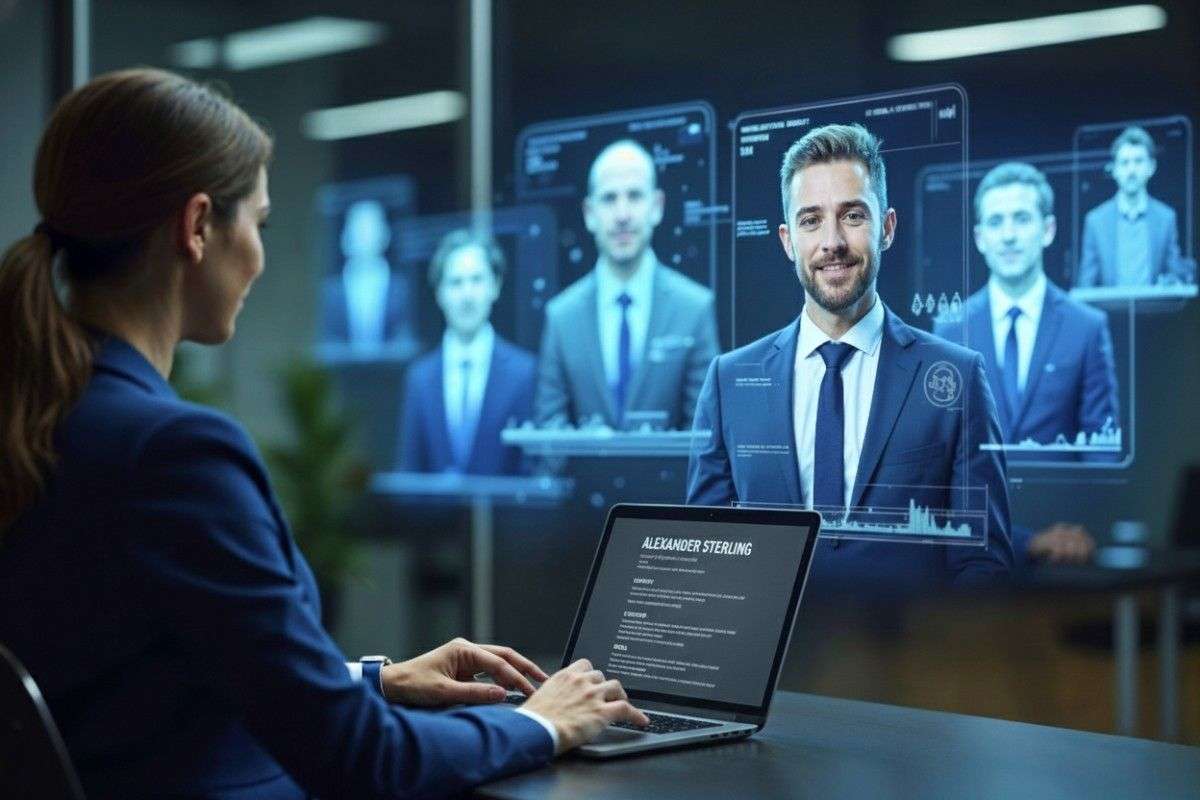
Getting the right tech talent is becoming more and more a very important problem that is difficult to solve, as the pace of the digital world is rapidly increasing. Companies are not only competing for their share of the market but also for the talented individuals who have skills in the cloud, AI, cybersecurity, and software development. The latest technological advances have made IT recruitment not only a matter of filling vacancies but also of building teams that will be able to lead innovation, productivity, and growth in the future.
Companies that do not adapt to the evolving landscape of talent acquisition will lose to their competitors. Companies employing contemporary recruitment strategies will attract top performers more easily, who, as a result, will be able to deliver the company a sustainable competitive advantage. The present article is about five leading IT recruitment trends in 2026 that will help companies to plan their strategies successfully.
Trend 1: AI & Automation in Recruitment
One of the last changes in the way we hire is AI, and it has gone viral in less than half the time compared to any previous trend. In 2026, firms will use AI-driven instruments to a greater extent in order to make IT recruitment more efficient. AI is ruling out the need for human involvement at every stage, from sourcing to screening and shortlisting resumes to scheduling interviews, thereby increasing the work output and facilitating the recruiting process.
AI-powered solutions can, in the blink of an eye, scan a vast number of applications, identify suitable candidates, and, even, with very high accuracy, pair skill sets with job requirements. It is, however, necessary to have human intervention to supervise the AI system, which is operating at a rapid pace, as recruiters have to make the final decision on such aspects as cultural fit, soft skills, and even long-term potential, which are beyond AI’s capabilities.
By using AI and automation as part of their plans, companies will be able to shorten the time-to-hire and enhance the experience of the candidates by making them feel that every point of contact is their personal interaction with a professional.
Trend 2: Skills Over Degrees
The regeneration of IT recruitment is that it will be largely based on skills. The employers have started to gradually withdraw their gaze from formal education and shift it towards the hands-on skills of the candidates. In several situations, the practical skill set, the appropriate certification, and the verified experience of the project may outrank the formal degree in the tech world, which is continuously changing.
The transition in the perception of the importance of a degree opens a wide range of opportunities for people having non-traditional backgrounds, like self-taught developers, coding boot camp graduates, and career changers who come from different industries. On the corporate side, this means the creation of candidate evaluation processes that measure their performance in the real world. Besides, upskilling and continuous learning programs, which are part of a recruiting strategy, have become a powerful tool for employees to be able to keep up with the latest technologies and for the company to lessen its dependence on external hiring.
When companies emphasize the skills of a person rather than his/her formal qualifications, they will have the opportunity to choose a wider variety of candidates, and simultaneously, they will be able to equip their teams with the latest technologies, such as cloud computing, AI/ML, cybersecurity, and data analytics.
Trend 3: Remote & Hybrid Work Models
The time when one had to live in a certain place in order to be hired is over. Remote and hybrid work models have become ordinary, thus businesses are able to hire the most qualified professionals without taking their location into consideration. This trend, which is changing the whole way of IT recruitment, i.e., how companies can attract candidates from diverse places without being limited by the proximity of the headquarters, is essentially opening up the possibilities for the firms to look for talent outside their local area.
Remote hiring brings a range of issues to any company, such as proper onboarding, communication, and company culture maintenance in different teams. It is very important to use collaborative tools, structured workflows, and transparent performance metrics to ensure productivity and engagement when working with or in remote or hybrid teams.
The capability to provide flexible working conditions has also become a very important factor that sets the IT talent market apart when it comes to the competition for the best workers. The candidates opt for the companies that offer them independence, flexibility, and a good work-life balance.
Trend 4: Specialized & Emerging Tech Roles
Generalist roles are fading out slowly as companies require more expertise in very specific areas. Most IT recruitment will be geared towards finding staff for very specialized roles that are directly linked to the latest technologies like cloud computing, AI/ML, cybersecurity, and data engineering in 2026. Organizations want employees that can be productive from day one, take on challenging problems, and come up with innovative solutions in a narrowly focused, highly specialized area.
Organizations are abandoning the recruitment pipelines they have been using for the most part due to the need for such highly specialized personnel. Targeted sourcing tactics, skill-based evaluations, and collaborations with tech communities or academies are becoming essential in place of mass hiring. As innovation and technology advance, businesses that do not invest in specialized people run the danger of losing their competitive edge.
Trend 5: Candidate Experience & Employer Branding
The candidate experience is the primary factor that differentiates one company from another in order to attract talent in a very competitive talent market of talents. Companies can get the most impact to be able to compete for top talent by presenting themselves, communicating with applicants, and managing the hiring process. Employer brand is regarded not only as a marketing function but also as a necessary part of IT staffing.
Applicants demand transparency, quickness, and personalization in the recruitment process. The use of contract-based or hybrid employment models may have an impact on the decisions of applicants as a result of the trend of flexible working patterns. Those organizations that provide a hassle-free, respectful, and attractive recruitment process will thus be able to attract the best talent and decrease their turnover rate.
What This Means For Companies and How Vionsys Can Help
The IT recruitment scene is always changing. To stay competitive in 2026, a hiring company needs to come up with a proactive plan that leverages technology, gives priority to talent, supports remote working, and improves the candidate experience. Alongside this, expert collaboration works best.
Vionsys provides data-driven insights that can help in the IT hiring process, talent evaluation, and retention strategies of leading tech companies. Our approach to hiring is centered around the discovery of new technology, employing the most advanced recruitment methods, and carrying out skill-based assessments. Vionsys is the solution that transforms businesses into high-performing teams capable of driving innovation and expansion by combining IT hiring procedures with business objectives.
Conclusion
Skill-focused hiring through AI, the usage of remote and hybrid working models, the rise of highly technical roles, and the better candidate experience are the main factors that shape the future of IT recruitment. Companies that are in line with these trends not only can become the ones that attract top talent the most, but they can also build solid teams capable of dealing with new technological advances.
By having the proper strategy and the right partner, it is possible to turn everything into a strategic advantage instead of a challenge. Are you prepared to make your IT recruitment resistant to the future? Collaborate with Vionsys to attract, evaluate, and retain.
